Our first suggestion is located in Aia, in the town square, next to the town hall and the church. It is a small restaurant run by a local family that prepares exquisite menus. You can always choose between three starters and three main courses, finishing with a dessert called Aia, which is a delight for those with a sweet tooth.
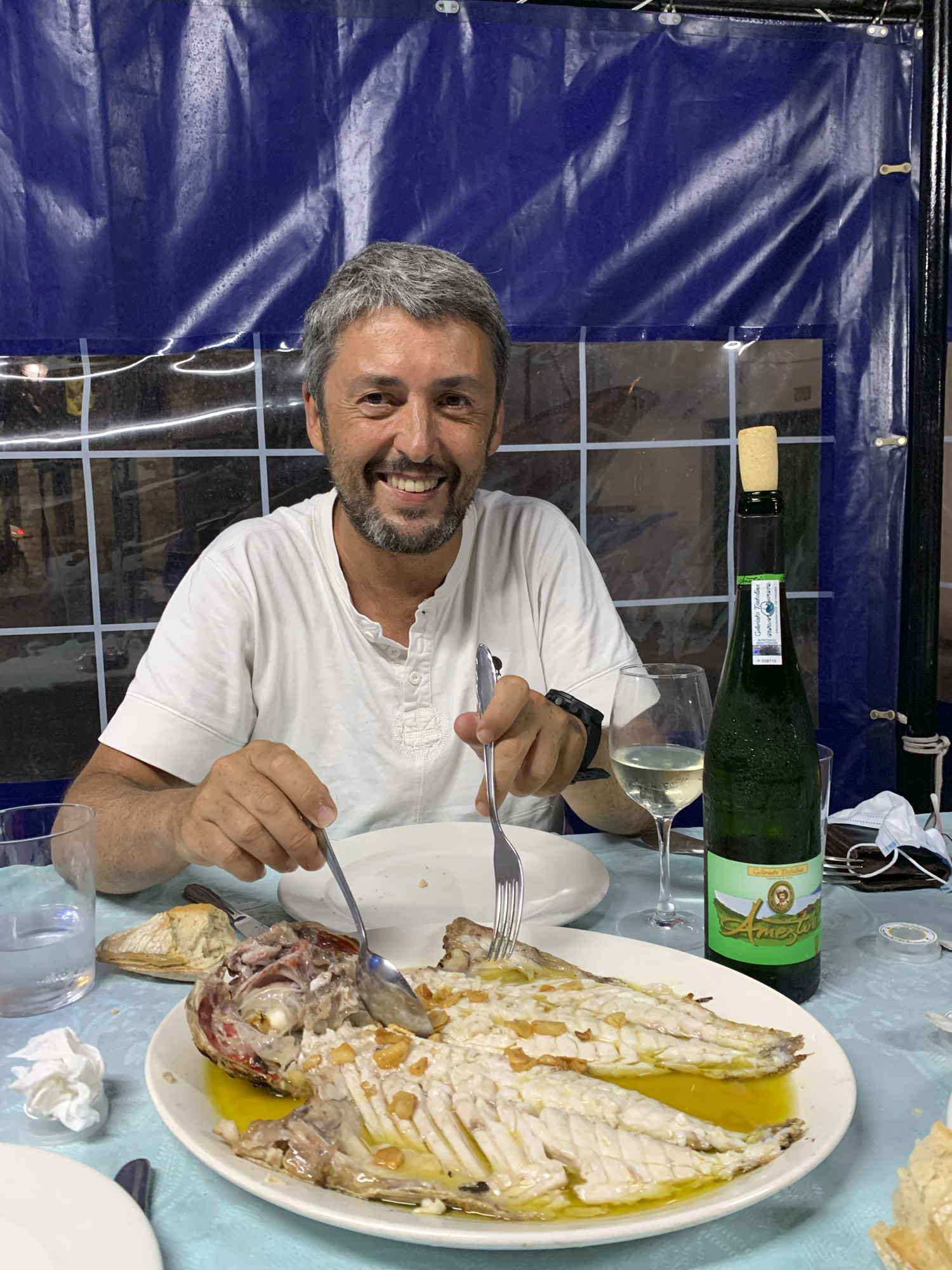
The neighboring town of Orio is the perfect place to enjoy fish in the “Orio” style, with that garlic and cayenne pepper sofrito that pairs so well with any fish, especially sea bream. There are many restaurants in Orio where you can savor this delicacy, such as the Joxe Mari grill or Katxiña, but we particularly like Xixario. All of them guarantee an unforgettable dining experience for lunch and/or dinner.
A place to enjoy a menu prepared by the students of Karlos Argiñano’s hospitality school in Zarautz, located at the beginning of the ascent to the Orio pass, towards Aia. Reservations are required well in advance, and please remember that the restaurant is open during the training period, which is approximately from November to June.
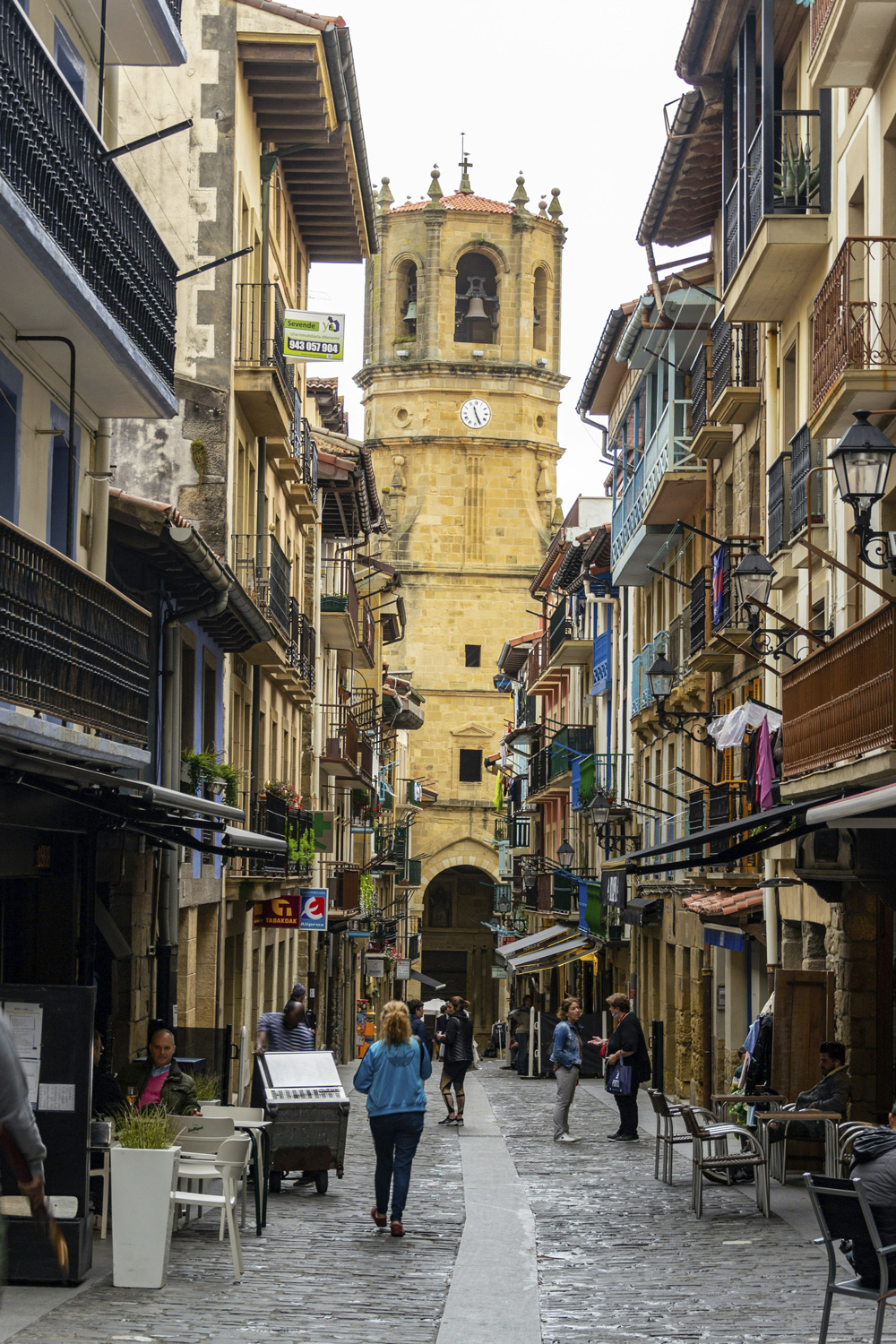
This grill restaurant in Getaria is a place we like to recommend for special celebrations. Treating yourself here is a wonderful gift, a luxury for the senses, and a great excuse to visit the town where Juan Sebastián Elkano, the first person to circumnavigate the world in his ship Victoria, was born.
This restaurant is a lovely option, especially if you visit the Albaola museum in Pasajes de San Pedro. Simply take the motorboat from the pier and cross to Pasajes de San Juan to enjoy this beautiful town and dine at a restaurant that preserves all its character and serves fabulous food.
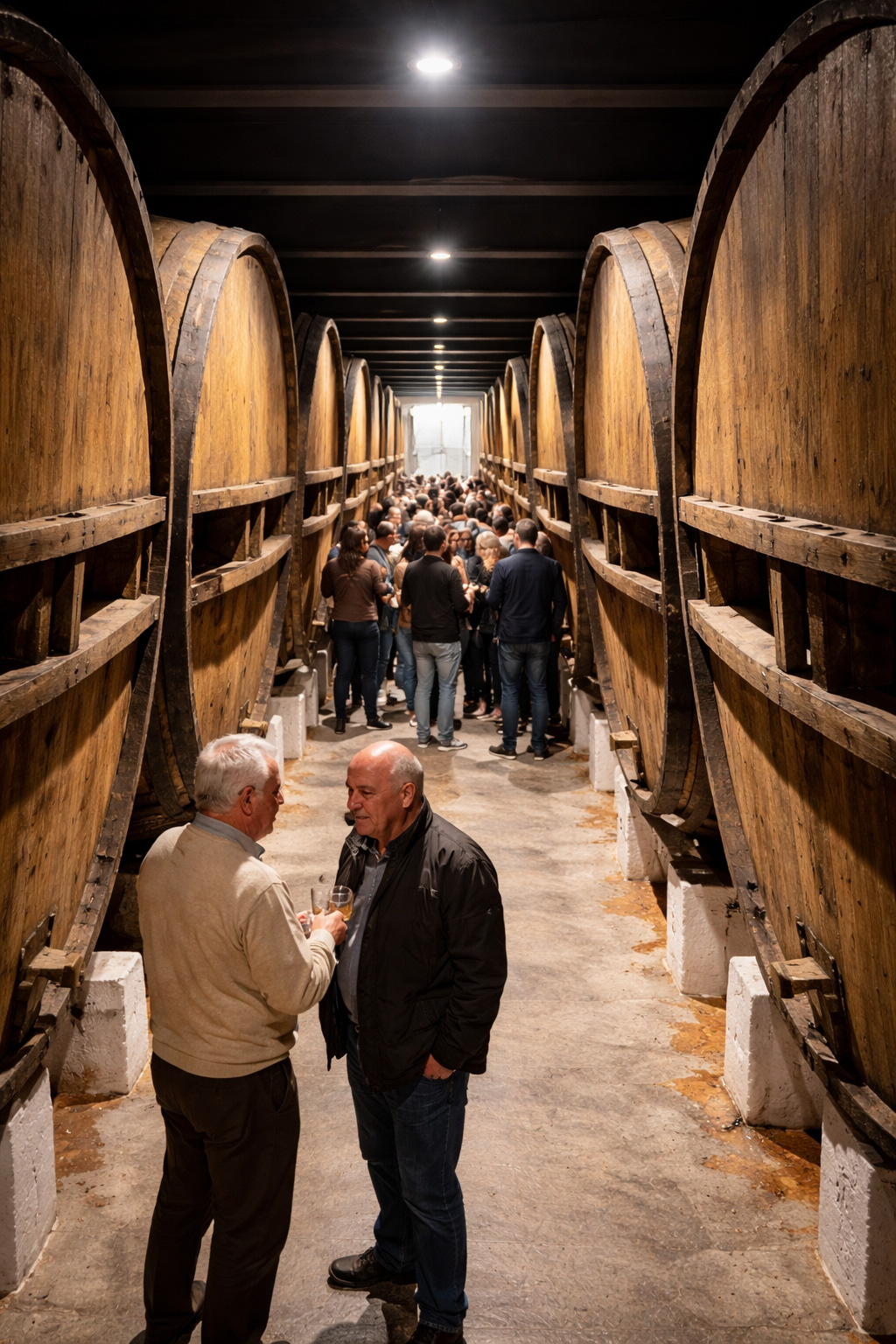
Many of Bizkar’s guests ask us about cider houses, and we like to recommend Petritegi. In this cider house, there is a Kupela (cider barrel) that reminds us how this drink prevented Basque sailors who ventured to hunt whales in Newfoundland in the 16th century from suffering from the dreaded scurvy. The presence of many cider houses in Gipuzkoa is due to the “tolares” (cider presses in Basque) that supplied the expeditions sailing to Newfoundland for whale hunting and the subsequent production of blubber oil, extracted from their fat, which was the “petroleum” of the 16th century.